
What Are Sight Words? A Complete Guide – September 2026
Ask five parents what a sight word is and you'll get five different answers. That's because the term gets used loosely, and the way teachers approach these words has shifted a lot in recent years. If you're trying to help your child build a real reading foundation, it helps to know what you're actually working with.
TLDR:
- Sight words are any words a child recognizes instantly; the top 100 most common words make up roughly half of all written text.
- Most kindergarten programs target 20 to 50 sight words by year's end, with the 52-word Dolch primer list as a common benchmark.
- Phonics and sight words work together: decodable words get sounded out, while truly irregular words need repeated exposure in real sentences.
- Teach 2 to 3 new words per week in short daily sessions, and pair practice with books that actually contain those words.
- The Super Teacher app's Learn to Read course pairs each sight word with a CVC word family so children read real sentences from the first lesson.
What Are Sight Words?
Sight words are words a reader recognizes instantly, without stopping to sound them out. When a child sees "the" and just knows it, that word has become a sight word for them. The term describes the act of instant recognition, not the word itself. Part of why this matters: phonics alone won't always get a child to the right sound. Take "the" — T, H, and E don't combine the way phonics rules would predict, so there's no reliable way to decode it. Kids simply have to commit the whole word to memory, which is exactly what sight word practice is for.
That distinction matters because "sight words" and "high-frequency words" get used interchangeably, but they aren't technically the same thing. High-frequency words are simply words that appear often in written English, while sight words are any words a reader recognizes on sight, regardless of how common they are. In practice, teachers focus on high-frequency words because getting those into a child's instant-recognition bank pays off fast across everything they read.
Why Sight Words Matter in Kindergarten
Kindergarten is when reading stops being abstract and starts being real. Children are encountering actual text, and every word they have to laboriously decode is mental energy not spent on meaning.
That's where a solid sight word foundation pays off. According to Dr. Edward Fry and colleagues, the 25 most common words make up about one-third of written material. The top 100 most common words account for roughly half of everything children read. A kindergartener who recognizes those words on sight can spend their cognitive effort on the harder, less familiar words on the page, which is exactly where beginning readers need to focus.
Sight Words vs. Phonics
Phonics and sight words are often framed as rivals, but that framing is wrong. Phonics teaches children to decode words by mapping letters to sounds, building a system they can apply to any new word they encounter. Sight word instruction targets a much smaller set of words that either don't follow standard phonics rules or appear before a child has learned the relevant phonics patterns yet.
Both belong in early reading instruction, and they work best together. Reading Rockets describes integrating high-frequency words into phonics lessons as the stronger approach, since it helps children make sense of spelling patterns instead of treating certain words as arbitrary memory tasks.
The Science of Reading is clear that phonics is the foundation. Sight words handle the exceptions and the frequent words that keep showing up before a child's phonics knowledge catches up to them. Parents looking for phonics apps for kids can find options that reinforce this decoding work at home.
The Dolch and Fry Word Lists Explained
Two lists dominate early reading instruction: the Dolch list and the Fry list. The Dolch list contains 220 words organized by grade level, from pre-primer through third grade, with the primer level most schools associate with kindergarten containing 52 words. The Fry list extends much further, covering the 1,000 most common words in order of frequency.
The two lists overlap heavily at the high-frequency end, which is where most kindergarten instruction happens. Reading experts at Readsters note that which list a school uses matters less than consistent, systematic practice with the words themselves. If your child's school uses Dolch, go with Dolch. If they use Fry, use that.
Kindergarten Sight Word List
Most kindergarten programs work from the Dolch primer list, though schools vary in which words they focus on and when.
Dolch Primer Sight Words (52 words) |
|---|
all, am, are, at, ate, be, black, brown, but, came, did, do, eat, four, get, good, have, he, into, like, must, new, no, now, on, our, out, please, pretty, ran, ride, saw, say, she, so, soon, that, there, they, this, too, under, want, was, well, went, what, white, who, will, with, yes |
Many schools also pull from the Fry first-100 list, particularly for words like "his," "had," and "her" that appear before a child's phonics knowledge covers them.
Here are a few of those words used in context:
- "She went out."
- "They are all here."
- "I like what you did."
Short sentences like these give kids a real reading win while reinforcing the words they're practicing.
How Many Sight Words Should a Kindergartener Know?
Most kindergarten programs aim for somewhere between 20 and 50 sight words by the end of the year. Some schools target all 52 Dolch primer words; others set a lower bar and focus on depth over breadth.
The count matters less than how firmly those words are locked in. A child who recognizes 30 words instantly is better positioned for first grade than one who "knows" 60 words with a half-second delay. That instant recognition is what frees up mental effort for harder words.
If your child's school has a specific goal, follow that. Without one, the full Dolch primer list by the end of kindergarten is a reasonable benchmark. Parents looking for support beyond classroom instruction can check out tutoring apps for young kids to find options that fit their child's pace.
What the Science of Reading Says About Sight Words
The older approach to sight words was simple: show a child a flash card often enough and they'll memorize the shape. Science of Reading researchers now push back on that. Even irregular words, they argue, are better learned by analyzing the word's structure and not simply treating it as a logo to be memorized whole.
The idea is to look at each letter, identify which parts follow familiar phonics patterns, and isolate only the truly unpredictable portion. For "said," the S and D behave normally; it's the middle that breaks the rules. Focusing a child's attention there builds a stronger, more durable memory trace than shape-drilling alone.
This approach is sometimes called teaching "heart words," where the irregular part gets marked as the piece a child has to hold in their heart because it can't be decoded. It keeps phonics at the center of instruction, even for exceptions. Families who want consistent practice between lessons often turn to tutoring apps for elementary children to keep that momentum going.
Decodable vs. Irregular Sight Words
Not every word on a kindergarten sight word list is actually irregular. Words like "can," "at," and "get" follow standard phonics rules completely. A child who knows their letter sounds can decode them. Treating those words as pure memory tasks misses a chance to reinforce the phonics system they're already building.
The genuinely tricky words are ones like "the," "of," and "said," where letters behave in ways that phonics rules don't predict. Those are the words that need repeated exposure until recognition becomes automatic.
Sorting words into these two categories helps you apply the right approach: decodable words get sounded out, while irregular words get the heart-word treatment, isolating the unpredictable letters and focusing practice there.
A Quick Introduction to Super Teacher
Everything above comes down to one idea: kids learn sight words through short, frequent practice with someone guiding them and correcting mistakes as they happen. That kind of daily one-on-one time is hard to fit into a busy week, which is why many families look for extra help at home. Super Teacher is one option built for that job.
Super Teacher is a personal tutoring app for children ages 3 to 10. It works like a private tutor sitting beside your child: it guides them step by step, asks questions out loud, listens to their spoken answers, and adjusts the lesson based on how they respond. Kids answer by talking, with no typing or tapping, so a kindergartener who can't spell yet can still take part fully.
The app covers reading, math, and other subjects, and every lesson is crafted and vetted by former elementary school teachers on our staff before it reaches a child. Lessons are short (about 5 to 8 minutes for pre-K and kindergarten) and work on iPhone, iPad, Android, and the web. One household plan covers unlimited tutoring for every child in the family, and parents get an email after each lesson summarizing what their child worked on and how it went.
A tutoring app can't replace reading together at bedtime, and it isn't meant to. What it can do is make a daily practice routine easier to keep. The sections below show where that fits in, starting with how to teach sight words in kindergarten.
How to Teach Sight Words in Kindergarten
A few words at a time works better than a long list. Introduce two or three new words per week, practice them daily in short sessions, and move on only when recognition is automatic.
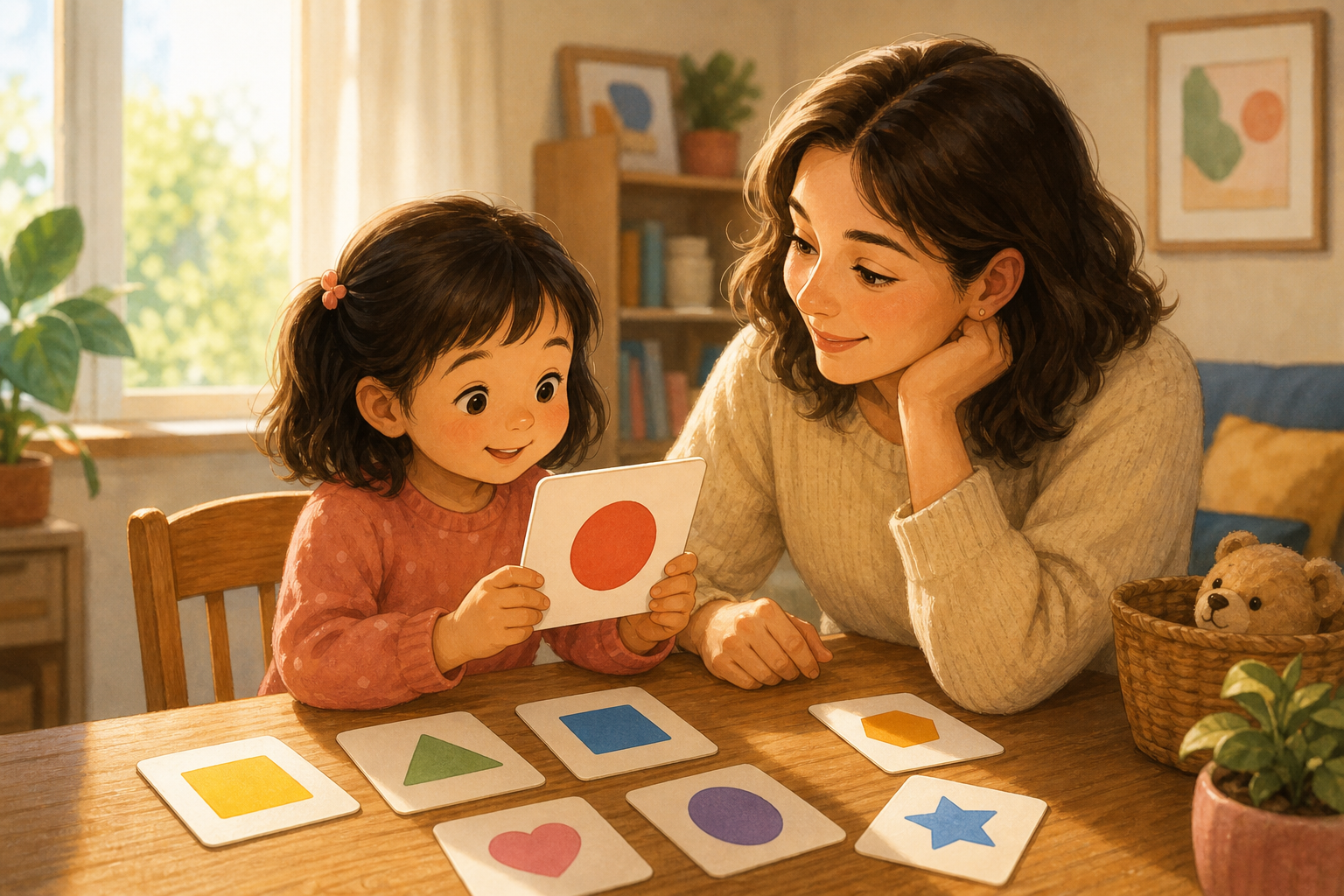
Multisensory practice sticks better than flash cards alone. Have a child say the word out loud, trace it, write it, then find it in a sentence. Each mode builds a slightly different memory path to the same word.
A word wall, whether in a classroom or taped to the fridge at home, keeps words visible during the day. Passive exposure between practice sessions adds up over time.
The biggest lever is context. When a child practices "they" on a flash card and then reads "they went out" in a decodable book, the word anchors in a way that isolation drills rarely achieve. Pair practice with books that actually contain the words being learned. Parents curious about tools built around this principle can read about what Super Teacher is and then review how Super Teacher works to see the lesson structure before getting started.
Sight Word Activities for Home Practice
Short, consistent practice beats occasional marathon sessions. Five to ten minutes a day is enough, and the activities below work well without any special materials.
- Word hunt: open any book or magazine and challenge your child to find a target word on the page.
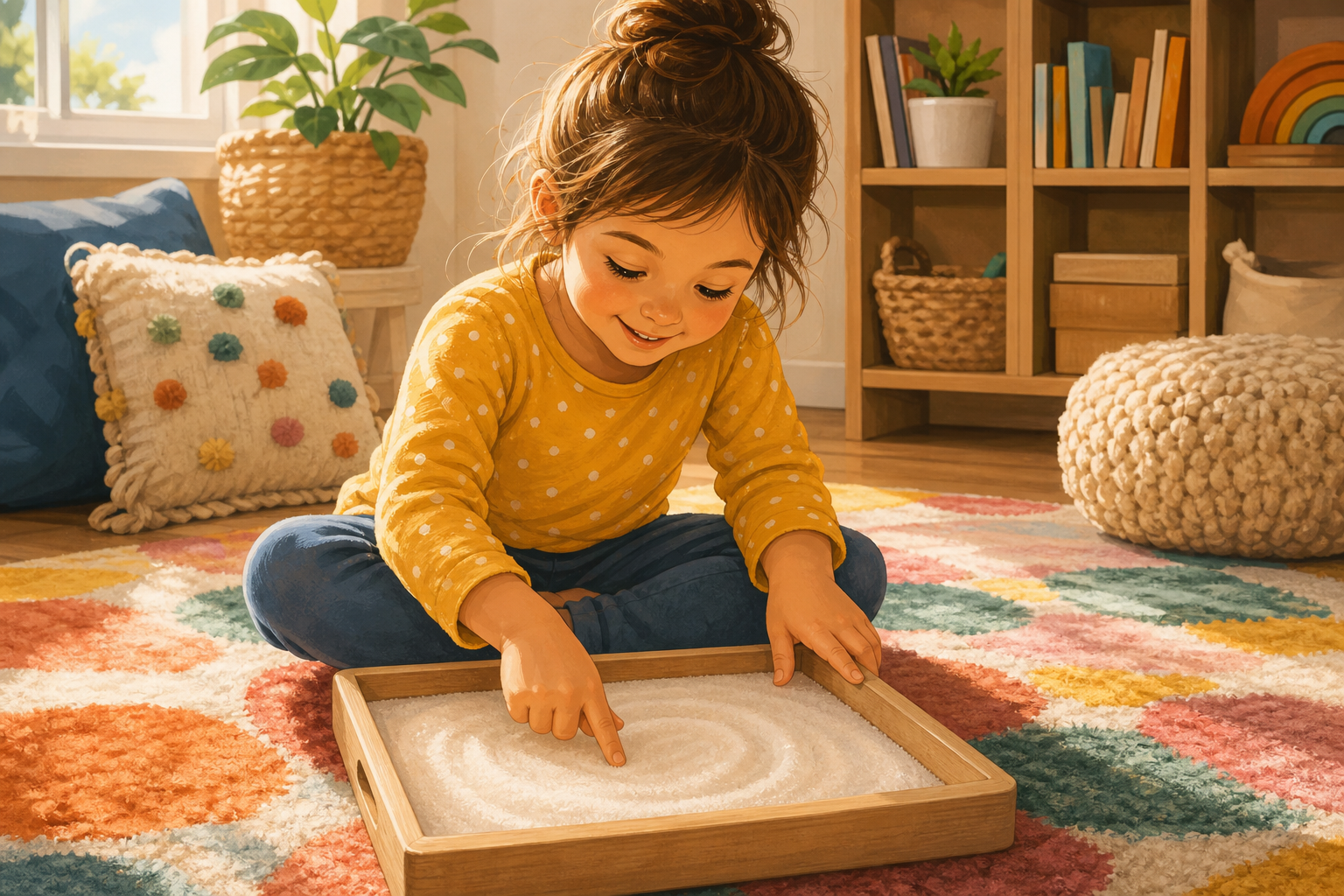
- Sand writing: pour a thin layer of salt or sand in a tray and have them trace each word with a finger.
- Simple sentences: ask your child to use a new sight word in a sentence, then write it down together.
- Word snap: make two sets of flash cards and play a matching game.
Keep the mood light. A child who enjoys the activity will practice longer and retain more. For families who want a ready-made option that fits into any part of the day, the Super Teacher app is available 24/7 with no scheduling required, so your child can get a full guided lesson whether it's after school, before bed, or on a weekend morning.
Common Mistakes When Teaching Sight Words
Four mistakes show up repeatedly when parents and teachers work on sight words with young kids.
Introducing too many words at once is the most common. A long list overwhelms a child's working memory and produces shallow recognition that falls apart under pressure.
Relying entirely on visual memorization compounds this. Shape-drilling without any phonics connection gives a child no mental hook when the shape slips. Briefly noting which letters in a word behave normally builds a sturdier memory trace.
Moving on too quickly is the third issue. A word is not learned until recognition is automatic, not occasional. When a child makes errors, keep corrections calm and brief. Drilling a missed word repeatedly in one sitting tends to create anxiety over retention. Return to it the next day instead.
The root of most of these problems is treating sight words as a separate subject. The strongest instruction folds high-frequency words into phonics lessons, so children see them as part of the same system they are already building. That integration only holds if practice happens regularly, not in occasional bursts. Families who want support keeping that daily rhythm going can look into unlimited tutoring for kids as one way to make consistent practice easy to maintain.
How Super Teacher Approaches Sight Word Instruction
The Super Teacher app's Learn to Read course introduces one sight word per lesson, paired with a CVC word family. Lesson 1 teaches the "-at" family (bat, cat, hat, rat, sat) alongside the sight word "the," so a child immediately reads "the rat sat" instead of drilling "the" in isolation. That's the evidence-aligned approach the research points to: high-frequency words anchored in real sentence context, not treated as a separate memory exercise.
Every lesson is crafted and vetted by former elementary school teachers on our staff, so the instruction behind each session reflects current best practices rather than guesswork. Because lessons are ready and approved in advance, Super Teacher is available 24/7 with no scheduling required, which means daily practice can happen whenever a child has five minutes. Covering unlimited lessons for every child in a household for a low monthly or annual fee makes that consistency easy to sustain over the whole school year. Families can learn more on the Super Teacher for parents page.
Final Thoughts on How Kindergarteners Learn Sight Words
Sight words work best when they're part of reading, not separate from it. A few minutes of daily practice, paired with real books, gives your child words they can count on every time they hit the page.
FAQ
What's the difference between Dolch and Fry sight word lists for kindergarten?
Both lists work well for kindergarten sight words, and they overlap heavily at the high-frequency end where most kindergarten instruction happens. Reading experts note that which list your child's school uses matters less than consistent, systematic practice. If the school uses Dolch, use Dolch; if they use Fry, follow that.
How many sight words should a kindergartener know by the end of the year?
Most kindergarten programs target between 20 and 50 sight words by year's end, with the full Dolch primer list of 52 words serving as a reasonable benchmark if your child's school doesn't set a specific goal. Depth of recognition matters more than the total count.
How do I teach sight words at home without relying on flash cards?
Short daily sessions of five to ten minutes work better than occasional longer ones, and mixing methods builds stronger memory than flash cards alone. Have your child say the word out loud, trace it, write it, and then find it in a sentence. Each approach builds a slightly different path to the same word. Pairing practice with decodable books that actually contain the words being learned anchors recognition in a way that isolation drills rarely achieve on their own.
What's the best way to teach irregular sight words like "said" and "the" to a kindergartener?
For words where letters behave in ways phonics rules don't predict, the strongest approach is to look closely at the word's structure, identify which letters behave normally, and focus a child's attention only on the unpredictable part. For "said," the S and D follow standard patterns; it's the middle that breaks the rules. This "heart word" method keeps phonics at the center of instruction even for exceptions, building a sturdier memory trace than shape-drilling alone.
Can a kindergartener learn sight words for kindergarten through a conversational tutoring app?
Yes. Super Teacher pairs each sight word with a decodable word family so children read real sentences from lesson one. Lessons are crafted and vetted by former elementary school teachers on Super Teacher's staff, and the app is available 24/7 with no scheduling required, covering unlimited tutoring for every child in a household. See the Super Teacher website for current pricing.